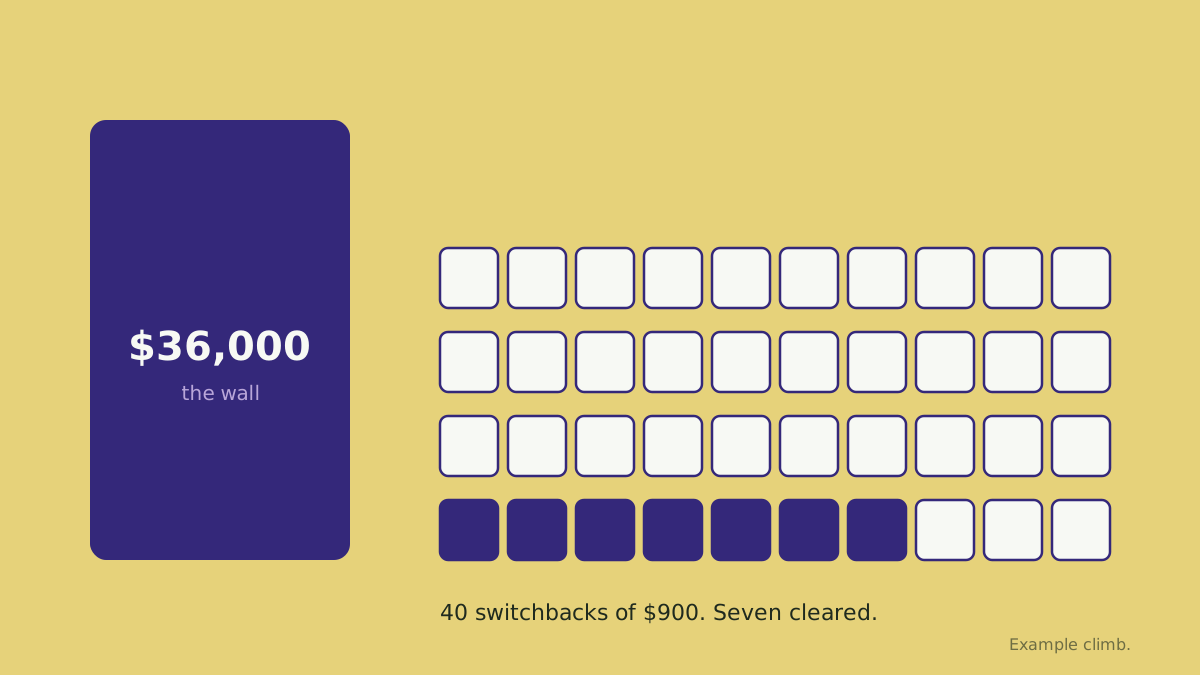
The example climb on this site has a bad month in it. April 2026, zero dollars logged, sitting in the history between a $700 March and a $900 May. It's there on purpose, because every plan that lasts three years has one, and the plan is decided less by the bad month than by what happens in the week after it.
Here's what to do, in order, and why the order matters.
Step one, log the zero.
The first instinct is to skip the log entirely, since there's nothing to record. Resist it. Open the log, enter $0, add a note if you like (“car,” “dentist,” “just didn't happen”), and save it.
Two reasons. The first is that a plan with a gap in it is a plan you've started to avoid, and avoidance is how plans end, quietly, over the following months. Logging the zero keeps you inside the plan. The second is that your pace should be true. On the example climb the summit date is what's left divided by the last three months of real deposits. A missing month isn't the same as a zero month; it just leaves the pace pretending. Put the zero in and the date moves to where it honestly is.
Step two, look at base camp before anything else.
If the month went wrong because something cost money, the money should have come out of your cushion, not your house fund. Check which one it was.
If it came from base camp, good. Your climb didn't move. The example member's cushion is $7,800, three months of expenses; a $650 repair takes it to $7,150, and the first job next month is to put the $650 back. Your next deposits go to the cushion until it reads full again, and only then do they resume the switchbacks. That might mean one more month before the next switchback clears. It's a month well spent.
If the money came from the house fund because there was no cushion, this is the moment to build one, before you do anything else on the list. Even one month of expenses changes how the next bad month feels. The guide on why the cushion comes first has the arithmetic.